Fortune Primero Seven Sarjapur Reviews: buyer fit, upside and risks.
Reviews

Fortune Primero Seven Sarjapur Reviews: buyer fit, upside and risks.

A useful review should not repeat promotional claims. For Fortune Primero Seven Sarjapur, the practical assessment is whether the Sarjapur location, March 2030 possession, apartment sizes, price band, high-rise density and marketed amenity package fit the buyer's timeline and risk tolerance. For related details, also review the pricing and contact before finalizing next steps.

Buyer Assessment

Fortune Primero Seven Reviews: strengths and checks.

The project has clear positives: RERA registration, a broad 2/3/4 BHK mix, large 3 and 4 BHK size bands, and a strong lifestyle pitch. The checks are equally important: final acreage, exact amenity delivery, running costs, construction progress and commute fit.

Stay on Reviews Discuss Buyer Fit

Strengths

  • RERA number is available for verification.

  • Four-tower, 779-home scale is repeated across sources.

  • 2, 3 and 4 BHK mix supports multiple buyer profiles.

Considerations

  • Land-area claims differ across sources.

  • Promoted amenities need written confirmation.

  • Outer Sarjapur commute should be tested personally.

Buyer Review

Fortune Primero Seven Reviews: strengths, risks and who should shortlist it.

What looks strong on paper

Fortune Primero Seven Sarjapur has several clear strengths for the right buyer. The RERA number is visible, the project has a broad 2, 3 and 4 BHK apartment mix, the four-tower scale is substantial, and the public price range gives buyers multiple entry points. The Sarjapur and Billapura location can work for households connected to the eastern and south-eastern employment belts, provided their actual commute checks out.

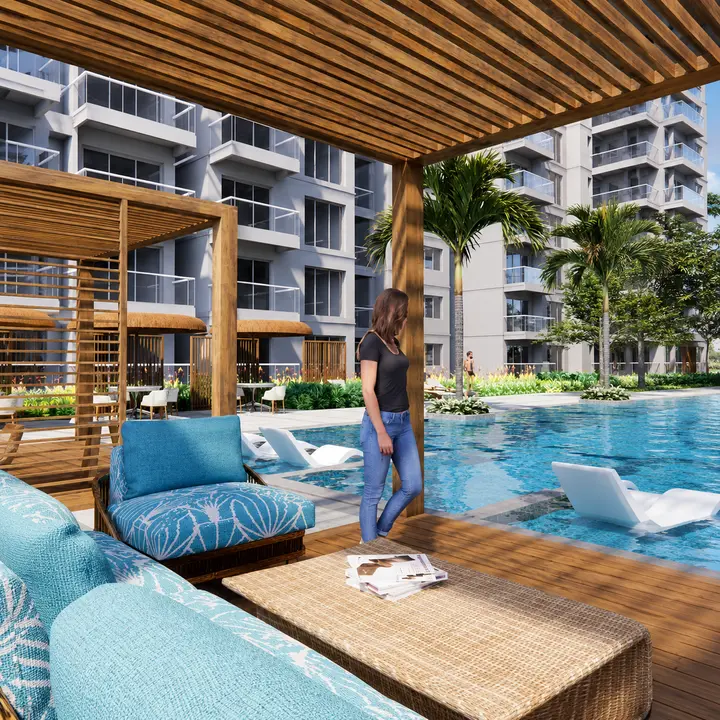
The lifestyle story is also strong in marketing terms. Public material talks about clubhouse-led living, sky bridges, gardens, high-rise views, many amenities, and spacious planning language. Those elements can matter for buyers who want a community feel rather than a simple standalone building. The review page acknowledges that appeal while keeping the claims in the verification column.

The March 2030 possession timeline may be a positive or a constraint depending on the buyer. Investors and future end users may accept the wait if pricing, location, and project quality make sense. Immediate end users, rental-offset buyers, or households with a fixed school timeline may find the wait too long. The review should therefore be read through personal timing, not only project features.

Main risks and open questions

The first risk is source mismatch around land area and marketing scope. Listings commonly show about 10.89 to 11 acres, while some campaign references mention 15 acres. Until the sanctioned plan and RERA material are reviewed, buyers should avoid building a density or open-space conclusion on a single number. Exact acreage matters because it affects perceived spaciousness, amenity load, and long-term maintenance.

The second risk is amenity delivery. Sky bridges, themed gardens, high open-space percentages, a large clubhouse, no-common-wall language, and courtyard-style positioning can all influence the premium story. But if those items are not written into the latest brochure, agreement annexure, or delivery schedule, the buyer should treat them as promotional until clarified.

The third risk is commute fit. Sarjapur growth-corridor projects can look attractive on a city map while still producing difficult daily routes for some households. Buyers should test the drive to Electronic City, Whitefield, ORR-linked offices, schools, and hospitals during realistic hours. A project can be good and still wrong for a specific routine.

End-user lens

For end users, the most important questions are comfort, timing, and routine. The 2 BHK format may suit smaller families or first-home buyers, the compact 3 BHK may suit buyers who need a flexible room without moving too far up the budget, and the larger 3 and 4 BHK homes may fit families planning a longer stay. Each choice should be checked against actual room dimensions and total payable cost.

Families should map school runs, hospital access, grocery trips, office routes, and weekend movement before deciding. They should also ask about construction disturbance if some towers or amenities complete later than the booked tower. In a large high-rise community, the experience during the first few years can differ from the final brochure image.

An end-user review should give weight to maintenance as well. Premium amenities are attractive, but they must be maintained. Buyers should ask for estimated monthly maintenance, handover process, association formation, sinking fund, and clubhouse operating assumptions. A home that is affordable to buy but expensive to maintain can strain the long-term ownership experience.

Investor lens and balanced verdict

For investors, the project should be evaluated through holding period, rental demand, supply pipeline, and exit liquidity. The Sarjapur side has a strong growth narrative, but rental success will depend on actual commute usefulness, handover quality, tenant preference for the amenity stack, and competing projects available around the same time. A 2030 possession window means the investment thesis should be patient.

The public price band may create an entry story, especially for 2 BHK and compact 3 BHK homes, but investors should avoid relying only on appreciation assumptions. They should calculate payment outflow, interest during construction, possible rent after possession, maintenance, property tax, and resale brokerage or exit costs. A realistic return model is more useful than a promotional appreciation claim.

The balanced view is that Fortune Primero Seven Sarjapur deserves a shortlist for buyers who want a large apartment community on the Sarjapur and Billapura side and can wait for completion. It is less suitable for buyers who need immediate use, dislike high-rise density, or cannot verify the commute and amenity scope in writing before booking.

Decision Lens

Fortune Primero Seven Reviews: buyer profiles and decision thresholds.

Who is likely to like the project

The project is likely to appeal to buyers who want a large high-rise community, can wait until the expected possession window, and see value in the Sarjapur and Billapura growth corridor. It can also suit buyers who want a broad amenity stack and prefer a project with 2, 3, and 4 BHK choices rather than a single narrow product type.

A compact-family buyer may like the 2 BHK and compact 3 BHK bands if the all-in price stays controlled. A larger family may prefer the wide 3 BHK or 4 BHK range. An investor may focus on the entry band and future rental demand. Each buyer profile should judge the same project through a different priority list.

The project is less likely to suit buyers who want immediate occupancy, a very central neighbourhood, low resident density, or a fully delivered amenity environment before purchase. These are not flaws; they are fit issues. A useful review should identify fit rather than declare a project universally good or bad.

Decision thresholds

Set decision thresholds before the sales conversation. Decide the maximum all-in budget, acceptable commute time, preferred configuration, minimum carpet area, maximum wait time, and non-negotiable amenities. Then compare the project against those thresholds. This prevents a buyer from being pulled only by attractive renders or launch urgency.

For many buyers, the first threshold will be commute. If the location test fails, a better floor plan may not matter. For others, the threshold may be price or possession timeline. A family that needs to move before 2030 should be cautious even if the project otherwise looks strong.

Amenity claims should have their own threshold. If sky bridges, gardens, clubhouse size, or no-common-wall planning are central to the decision, written confirmation is required. If those features are only optional, the buyer can focus more on apartment efficiency, location, and cost.

Balanced review conclusion

The positive review case is clear: Fortune Primero Seven Sarjapur offers a large apartment format, known RERA reference, multiple configurations, and a strong lifestyle pitch in an active growth corridor. It gives buyers a structured product to compare against other Sarjapur-side launches.

The cautious review case is also clear: land-area references differ, promotional amenity claims need written scope, the project is under construction, and commute fit must be tested personally. These are manageable risks only if the buyer treats them as due-diligence tasks rather than ignoring them.

The final view should be conditional. Shortlist the project if the documents, cost sheet, route test, and floor plan all support your use case. Step back if any one of those pillars remains unresolved. That is a more useful review than a generic positive or negative rating.

Review Closeout

Fortune Primero Seven Reviews: final shortlist position.

When the project should stay on the list

Keep the project on the shortlist if the route test works, the cost sheet is clear, the selected floor plan fits the household, and the written documents support the major claims that attracted you. Those four checks matter more than a general positive impression.

Remove or pause the project if one of those pillars fails. A difficult commute, unclear total cost, weak room planning, or vague amenity scope can outweigh strong branding and attractive images. A disciplined buyer is allowed to walk away from an otherwise appealing launch.

For investors, the project should remain on the list only if the holding period, payment schedule, and rental thesis are realistic. Future growth can support the case, but it should not be the only case.

The final review is conditional rather than absolute: Fortune Primero Seven Sarjapur looks like a serious apartment project for the right Sarjapur-side buyer, provided the documents, price, route, and layout all check out.

Final Note

Fortune Primero Seven Sarjapur: final verification note.

This conditional review also protects against overreacting to either excitement or caution. The project has enough strengths to deserve attention, but the final decision should be earned by the exact unit and documents. A buyer who follows that process can say yes or no with a clearer reason.

Due-diligence references

Maps, regulators, and corridor context.

Read reviews alongside the enquiry desk, the project map, and the Karnataka RERA portal before relying on any sales claim.